
As children, we aren’t always taught that what is considered polite to you isn’t necessarily what is polite to another. As an American (especially one from the Midwest), I was raised with a distinct fear of being seen as rude, so when I moved to France this fear followed. It blossomed even more a few months into my new expat life when I realized that much to my surprise, what I was doing to be polite often had the opposite effect.
I did everything I had been taught to make connections, but time and time again conversations ended in tight, awkward smiles and a distinct feeling that things had not gone well despite my efforts.
I would smile when passing someone by, and if greeted I would say bonjour and try to start a conversation with small talk on the weather or work. If you have spent much time in France maybe you can already see how this eagerness caught locals by surprise and didn’t help assimilation into the French lifestyle.
Of course, I had been warned about the culture shock and mistranslations, but the sinking realization that I could speak the language but not communicate was heavier than anticipated. So much of what I knew to be polite at home came across as disingenuous, even tedious to my French peers.
To be completely without cultural misunderstanding is unrealistic, but maybe knowing these social faux pas can help save you a headache or two.
General Conversation and Personal Questions
While living abroad, I found work to be a topic of conversation less welcomed in France.
In America, work can be seen as a synonym for passion, and asking someone what they do for work is similar to asking what they’re passionate about, but in France that line is less direct. I once heard someone remark, “The French work to live and Americans live to work.” It’s a stereotype that rings true in my experience.
When I would meet someone, one of the first questions I would ask was what they do for work. To be fair, this question is not always considered impolite, but more than once I would receive a look of someone humoring a child who didn’t know they had done something rude.
It wasn’t until I asked a coworker that they explained in France work is work and passion is passion; not inherently separate but never synonymous. So when asked what one does for a living, the underlying implication isn’t what are you passionate about? and more so, what is your social standing? which (for anyone wondering) is not polite.
Personal Boundaries and Small Talk
Small talk is considered the necessary evil of getting to know someone in America. We ask questions to build connection, putting in effort and interest, which for many is a show of goodwill.
However, this form of goodwill didn’t translate and more than once I caught myself outstaying the welcome of French pleasantries. I knew to say bonjour when entering a building, but I mistook this as an invitation for conversation as well, as it had been back home.
The French show goodwill much longer after getting to know someone than Americans typically do when building a connection. They’re not the type to share as much with strangers and lack the knee-jerk reaction that Americans have to filling silence. Don’t be afraid to let silence sit, and know that most French people build relationships slowly, not through a lot of small talk.
Performance Cues and Active Listening
Have you ever wondered why Americans do so much active listening? It wasn’t until I was comparing culture shock notes with another American expat that she brought up a conversation she had recently had with her French coworker.
He mentioned how often Americans smile, nod, and mhmm in conversation and how silly it made them look. It’s true, active listening isn’t done as much in France, and the theories as to why we do this vary from America’s history as a country of immigration to the ever-present “corporate communication” in our daily life. In France however, the bobblehead-ness of active listening more often than not gives Americans an overly earnest appearance.
While at lunch a French friend once remarked that when we first met I had been akin to “Bambi the little deer,” wide-eyed and unsure. He credited the change to my growing confidence, but largely this difference came after I learned to converse without the constant show of attention.
Still show interest, but know the French don’t have to be convinced that you are listening to them. Additionally, know that just because a French person isn’t doing the typical actions we correlate with listening doesn’t mean they aren’t engaged.
Material Expression and Gift Giving
Even after I had finally gotten past the growing pains of forming a cross-cultural relationship, I found my way of showing politeness still tripped me up in terms of appearing overly concerned with material things and gift-giving.
As an American, it’s often assumed the nicer (and more expensive) the item the better the sentiment. We go out of our way with housewarming events and holidays to show affection through gifts. In France however, the line between good taste and excessive wealth is much thinner.
More than once I heard someone describe a neighbor or peer as boastful, and when asked why, they would mention something along the lines of how they only drink expensive bottles of wine, or post about fancy vacations and the expensive cars they drove.
While gifts are still, of course, appreciated, there is more weight behind how much one might pay or “show off” in France. I once had a friend remark on the number of gifts I had given her. It was in an affectionate teasing way the French do when they like you, but it was also a reminder that something that felt so customary to me was not necessarily so for her.
In all, it took me a while to really evaluate the type of politeness I was raised on and how Midwest manners might not mesh with the lifestyle and culture in France.
While what is polite does not always translate neatly, showing effort is at least a way to communicate that you mean well. When met with communication mishaps, that was one thing that could usually save me, and any expat will tell you all you can do is be patient and sincere in your efforts while living abroad.
If you find yourself wanting to learn more about American vs French culture I highly recommend the book Cultural Misunderstandings: The French-American Experience by Raymonde Carroll. It’s a great resource and an interesting read filled with personal anecdotes by French anthropologist Carroll, who can possibly help explain why that interaction at the market ended so poorly.
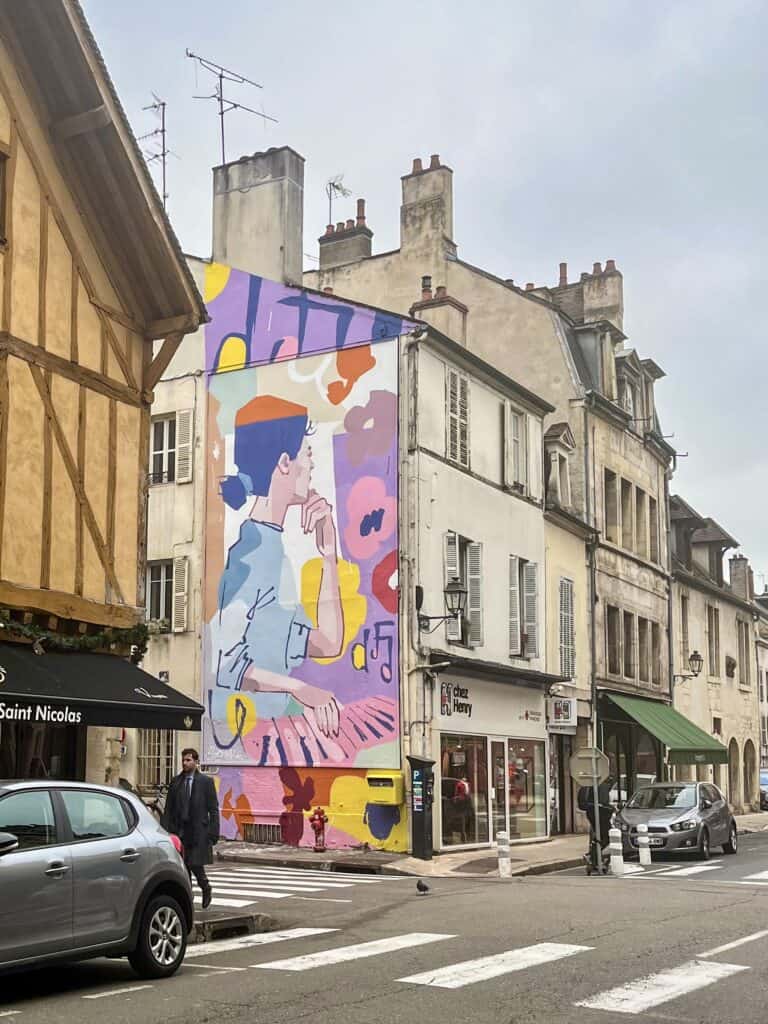
Photo taken in Dijon, France
Did you enjoy this article? TAIP is 100% reader-supported through tipping. If you want to leave us a tip of any amount it would be highly appreciated. These tips help support our efforts to keep TAIP an ad-free environment. Just as at a cafe, the tips are split evenly among the team.